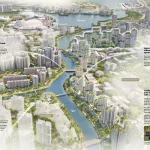
Singapore’s residential property landscape varies considerably from one neighbourhood to another. Factors such as housing types, transport infrastructure, amenities, schools, and development patterns can shape the character of an area. For those researching One Chuan Grove, understanding the surrounding residential environment can provide useful context when evaluating the development.
A Look at the Wider District
The development is situated within District 19, an established residential district with a mixture of private condominiums, landed properties, and other housing options. The area has developed into a mature neighbourhood with a range of supporting amenities.
This mix can create a varied residential environment, giving buyers the opportunity to compare different property types and locations within the wider district.
Mix of Residential Properties
The surrounding landscape includes different forms of private housing, each catering to different household preferences. Condominiums may appeal to residents seeking shared facilities, while landed properties can provide a different approach to space and privacy.
Comparing these property types can help prospective buyers understand how individual developments fit into the broader housing market.
Neighbourhood Connectivity
Transport infrastructure is another defining feature of a residential area. Access to MRT stations, bus services, and major roads can affect commuting convenience and the desirability of different parts of a district.
For prospective residents, it is useful to examine actual travel routes to workplaces, schools, shopping areas, and other frequently visited destinations rather than assessing connectivity solely by distance.
Everyday Amenities
A mature residential landscape is generally supported by amenities that serve everyday needs. Residents may look for supermarkets, eateries, retail outlets, healthcare services, schools, and recreational spaces within convenient reach.
The availability of these services can reduce the need for lengthy trips and contribute to the practical appeal of living in the neighbourhood.
Dining and Retail
Local dining establishments and retail options can add convenience to daily routines. From quick meals to grocery shopping, nearby commercial facilities can be especially useful for households with busy schedules.
Education and Family Needs
Families may pay particular attention to schools and educational facilities in the surrounding area. However, proximity should be considered alongside admission policies, transport options, and the specific requirements of each household.
Green and Recreational Areas
Residential environments are not defined solely by buildings and commercial facilities. Access to parks, open spaces, and recreational areas can also influence the quality of the neighbourhood.
These spaces can support outdoor exercise, walking, relaxation, and family activities. Buyers who value greenery may therefore want to explore recreational options surrounding the development.
Comparing Neighbouring Developments
Looking at nearby residential projects can provide a useful reference point. Buyers can compare developments based on factors such as:
- Property type and development age
- Unit sizes and layouts
- Transport accessibility
- Facilities and common spaces
- Nearby amenities
- Asking prices and ownership costs
Such comparisons can help prospective homeowners understand which characteristics distinguish one property from another.
Factors That Shape Residential Demand
Several elements can influence demand across a residential neighbourhood. Transport connectivity, access to amenities, property affordability, housing supply, and the overall character of the area can all play a role.
However, demand is not necessarily uniform. Different buyers may value different characteristics depending on their household size, budget, commuting needs, and lifestyle preferences.
Looking Beyond the Immediate Area
The wider surroundings can be just as relevant as the streets immediately around a development. Buyers may want to consider access to major employment centres, shopping districts, recreational destinations, and transport interchanges across Singapore.
Understanding these broader connections can help place the development within the context of the city’s overall residential network.
What Prospective Buyers Should Examine
Before making a decision, buyers can take a systematic approach to assessing the surrounding landscape:
- Explore the immediate neighbourhood on foot.
- Identify nearby public transport options.
- Review everyday amenities and services.
- Compare similar residential developments.
- Consider typical commuting times.
- Check relevant future planning information.
- Evaluate total ownership costs alongside property features.
This approach can provide a more balanced understanding than focusing on a single characteristic.
Conclusion
The residential landscape surrounding One Chuan Grove reflects the broader characteristics of District 19, where established housing, transport connections, amenities, and recreational options come together within a mature urban environment.
For prospective homeowners, exploring both the development and its wider surroundings can help provide a clearer picture of everyday practicality. Comparing nearby properties and considering personal requirements can further support a well-informed purchasing decision.