Decorative lighting has become an important part of modern interior design, commercial branding, and event decoration. Businesses and homeowners increasingly look for lighting solutions that do more than illuminate a space. They want designs that express personality, complement interior themes, and create memorable visual features. LED neon signs have gained attention because they combine decorative appeal with flexible customization and practical lighting technology.
As interest in personalized lighting continues to grow, manufacturers are adapting their production methods and product options to meet different customer requirements. Professional LED Neon Sign Manufacturers help customers turn creative concepts into customized displays through varied colors, shapes, lettering styles, and dimensions. Their ability to serve both decorative and commercial applications makes LED neon signage a versatile option for modern spaces.
1. Offering Flexible Custom Design Options
One reason LED neon signs are popular for decorative lighting is their ability to accommodate different design ideas. Unlike standard lighting fixtures, custom signs can be created in the form of words, logos, symbols, illustrations, and abstract shapes.
Manufacturers work with customer requirements to develop designs that suit particular spaces and visual themes. A homeowner might request personalized lettering for a bedroom, while a business may need an illuminated logo for a reception area.
This design flexibility allows decorative lighting to become part of a space’s identity rather than simply serving as a functional light source.
2. Providing a Wide Range of Colors
Color selection has a major influence on the atmosphere of an interior. Warm tones can create a relaxed feeling, while brighter colors may produce a more energetic appearance.
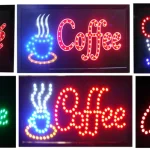
LED neon signs are available in various colors, allowing customers to coordinate displays with furniture, wall finishes, brand palettes, and other decorative elements. Some designs use a single color for a simple look, while others combine several colors to create more detailed visual effects.
Manufacturers can help customers consider color combinations and brightness requirements before production begins.
3. Supporting Modern Interior Design Trends
Contemporary interiors often combine simple architectural details with distinctive decorative features. LED neon signs can complement this approach by introducing illuminated lettering or graphics without requiring large decorative structures.
They can be installed in living rooms, bedrooms, home offices, cafés, retail stores, and reception areas. Their custom dimensions also make it possible to create displays for narrow walls, feature areas, or specific architectural layouts.
When selected carefully, an LED neon sign can become a focal point while maintaining harmony with the surrounding interior.
4. Meeting Demand for Personalized Home Décor
Homeowners increasingly look for decorative items that reflect their interests and personal preferences. Custom LED neon signs provide an opportunity to display names, favorite phrases, meaningful dates, symbols, or original artwork.
Popular applications include:
- Personalized bedroom wall signs.
- Decorative displays for gaming rooms.
- Home office logos or motivational phrases.
- Living room feature-wall lighting.
- Customized signs for entertainment spaces.
Because these products can be made in different sizes and styles, customers can select designs that suit their available space and preferred decoration theme.
5. Creating Attractive Commercial Environments
Businesses use decorative lighting to influence how customers experience their premises. Restaurants, cafés, salons, hotels, and retail stores often incorporate illuminated displays into their interior design.
An LED neon sign can highlight a company name, communicate a short message, or add character to a feature wall. These displays may also help establish a consistent visual identity across different areas of a commercial property.
Manufacturers support these projects by adapting designs to specific branding guidelines and installation requirements.
6. Developing Lighting Solutions for Events
Event organizers frequently need decorative elements that create a particular atmosphere. LED neon signs can be customized for weddings, birthday celebrations, corporate functions, exhibitions, and promotional activities.
Personalized messages, names, dates, and themed graphics can be used as stage decorations, entrance displays, or photo booth backgrounds.
Some event signs are intended for one-time use, while others are designed to be reused at multiple occasions. This distinction can influence material selection, dimensions, mounting arrangements, and packaging requirements.
7. Using Energy-Efficient LED Technology
Energy efficiency is another factor contributing to the appeal of LED neon signs. LED-based lighting generally consumes less electricity than traditional glass neon alternatives with comparable lighting purposes.
This can be useful for decorative displays that remain illuminated for several hours each day. LED technology also produces less heat than conventional neon lighting, making it suitable for many indoor applications.
Actual energy consumption depends on the sign’s size, brightness, LED specifications, and operating time. Customers should review product details when comparing different options.
8. Improving Durability Through Material Selection
Decorative lighting needs to maintain its appearance during regular use. The quality of LED neon flex, backing boards, wiring, connectors, and mounting components can influence the product’s durability.
Manufacturers must select materials according to the sign’s intended application. Indoor decorative signs may have different requirements from outdoor displays exposed to moisture, sunlight, and temperature changes.
Careful assembly and appropriate electrical protection also help support reliable performance. Customers should ask about material specifications and maintenance recommendations before ordering.
9. Making Custom Lighting More Accessible
Modern manufacturing processes have made it possible to produce LED neon signs in many shapes, sizes, and configurations. Digital design preparation and precision cutting help manufacturers handle customized artwork and produce more consistent results.
These processes can also support repeat orders for businesses that need matching displays across several locations. Customers can review digital previews, confirm design details, and approve specifications before production starts.
A clear process helps reduce errors and makes custom decorative lighting easier to plan.
10. Adapting to Different Installation Requirements
Decorative lighting projects vary according to their installation locations. A small wall sign may need simple mounting hardware, while a large commercial display may require additional support and a more detailed electrical arrangement.
Manufacturers should consider:
- Available wall or ceiling space.
- Sign dimensions and overall weight.
- Mounting surface and fixing method.
- Access to an appropriate power source.
- Indoor or outdoor environmental conditions.
- Required brightness and viewing distance.
Addressing these factors early helps ensure that the finished sign fits the intended space and can be installed safely.
11. Helping Customers Balance Design and Budget
Decorative lighting projects often involve specific design preferences and budget limits. Manufacturers can help customers understand how dimensions, material choices, lighting features, and design complexity influence production costs.
A simpler layout may achieve the desired appearance without requiring unnecessary components. In other cases, investing in better materials or additional environmental protection may be appropriate for long-term use.
Comparing complete specifications rather than price alone allows customers to make more informed decisions.
Conclusion
LED neon sign manufacturers meet the growing demand for decorative lighting by offering customized designs, varied color options, modern LED technology, and solutions for residential, commercial, and event environments. Their production capabilities allow customers to create lighting displays that reflect personal preferences or strengthen a business’s visual identity.
As decorative lighting continues to serve both practical and aesthetic purposes, choosing suitable materials, dimensions, brightness levels, and installation methods remains essential. A carefully designed LED neon sign can add character to a space while providing a flexible and distinctive lighting solution.