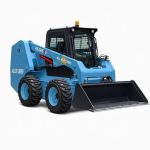
Hydraulic equipment plays an essential role in industries such as construction, manufacturing, agriculture, mining, and material handling. These machines rely on pressurized fluid to generate force and perform demanding operations. For hydraulic systems to function efficiently, their components must maintain proper pressure, prevent fluid leakage, and withstand continuous movement. Sealing elements are especially important because even a small leak can affect equipment performance and operational safety.
In hydraulic applications, DMS Seals help support dependable operation by creating barriers between moving and stationary components. Properly selected seals help retain hydraulic fluid, control pressure, and prevent external contaminants from entering sensitive areas. Their performance contributes to consistent machine operation, reduced maintenance requirements, and longer equipment service life.
The Importance of Seals in Hydraulic Equipment
Hydraulic systems operate by transmitting power through pressurized fluid. Components such as cylinders, pumps, valves, and motors depend on controlled fluid movement to perform their intended functions. Seals help maintain this control by limiting leakage at critical connection points and moving interfaces.
Without suitable sealing components, hydraulic fluid may escape from the system or contaminants may enter. Both situations can reduce efficiency and increase the risk of component damage. Reliable seals therefore contribute to stable pressure, predictable movement, and better overall equipment performance.
Preventing Hydraulic Fluid Leakage
One of the primary functions of hydraulic seals is to prevent fluid from leaking between connected or moving components. Hydraulic cylinders, for example, use sealing elements around the piston and rod to maintain pressure during operation.
Fluid leakage can lead to several problems, including:
- Reduced hydraulic pressure and operating force.
- Increased fluid consumption and maintenance costs.
- Contamination of surrounding equipment and work areas.
- Poor machine response and inconsistent movement.
- Greater risk of damage to other hydraulic components.
Appropriate seal designs help maintain a reliable barrier under the pressure and movement conditions found in hydraulic equipment.
Maintaining Consistent Hydraulic Pressure
Hydraulic machinery requires sufficient pressure to lift loads, move attachments, operate tools, and perform other mechanical tasks. When sealing components fail to maintain pressure, the equipment may experience reduced power or irregular operation.
Seals help preserve the pressure difference needed for hydraulic systems to function correctly. Piston seals, for instance, limit fluid bypass between the chambers of a hydraulic cylinder. Rod seals help prevent fluid from escaping along the moving piston rod.
Selecting seals that match the system’s pressure requirements is essential. Operating pressure, pressure spikes, movement speed, and cycling frequency should all be considered during seal selection.
Supporting Smooth Movement of Hydraulic Components
Hydraulic cylinders and other moving components often operate through repeated extension, retraction, rotation, or sliding motion. Seals must maintain contact with the relevant surfaces while accommodating this movement.
Well-designed sealing arrangements help control friction and reduce unnecessary wear. They also support smooth movement by maintaining an appropriate sealing interface between components.
However, seal friction must be considered carefully. Excessive friction can generate heat, increase energy consumption, and accelerate wear. The right material, seal profile, surface finish, and lubrication conditions can help achieve a suitable balance between sealing effectiveness and movement efficiency.
Protecting Equipment from Contamination
Hydraulic systems are sensitive to particles such as dust, dirt, metal fragments, and moisture. These contaminants can enter through exposed openings or damaged sealing areas and circulate with the hydraulic fluid.
Contamination may damage pumps, valves, cylinders, and other precision components. It can also contribute to scoring, abrasion, sticking, and premature seal failure.
Wiper seals and dust seals help protect exposed moving parts by removing contaminants from surfaces before they enter the equipment. Rod seals also contribute to keeping hydraulic fluid contained while supporting the system’s overall sealing arrangement.
Regular inspection and effective filtration remain important because seals alone cannot eliminate every source of contamination.
Choosing Suitable Materials for Hydraulic Seals
Seal material has a direct influence on performance, durability, and compatibility. Different hydraulic applications involve different operating temperatures, pressures, fluids, and movement conditions.
Common materials include:
Nitrile Rubber (NBR)
NBR is widely used in hydraulic applications because of its resistance to many petroleum-based hydraulic oils. It can provide a practical balance of flexibility, sealing performance, and cost for suitable operating conditions.
Polyurethane (PU)
Polyurethane is valued for its abrasion resistance, mechanical strength, and ability to withstand demanding movement conditions. It is commonly considered for hydraulic rod and piston sealing applications.
Fluoroelastomer (FKM)
FKM offers good resistance to higher temperatures and many oils and chemicals. It may be suitable for applications where standard elastomers cannot meet the required temperature or fluid-compatibility conditions.
Polytetrafluoroethylene (PTFE)
PTFE has low friction and strong chemical resistance. It is often used in applications requiring reduced friction or performance under demanding operating conditions, sometimes in combination with energizing elements.
Material selection should always account for the specific hydraulic fluid, temperature range, pressure, and mechanical requirements of the equipment.
Improving Equipment Reliability and Reducing Downtime
Unexpected hydraulic failures can interrupt production, delay construction work, and increase maintenance expenses. A damaged seal may cause leakage, pressure loss, or reduced cylinder performance, requiring equipment inspection and repair.
Reliable sealing components help reduce these risks by maintaining the conditions required for normal operation. When seals are correctly specified, installed, and maintained, they can contribute to fewer unplanned interruptions and more predictable maintenance schedules.
The benefits extend beyond the sealing component itself. Proper sealing can help protect expensive hydraulic parts from fluid loss and contamination, reducing the likelihood of related equipment problems.
The Role of Correct Installation
Even a high-quality seal may fail prematurely if it is installed incorrectly. Improper installation can cause cuts, twisting, stretching, or deformation, preventing the seal from maintaining consistent contact with its mating surface.
Several installation practices can help improve sealing performance:
- Clean the installation area to remove dirt, metal particles, and old seal material.
- Inspect grooves and mating surfaces for scratches, burrs, and damage.
- Use suitable installation tools to avoid cutting or stretching the seal.
- Apply compatible assembly lubricant when recommended.
- Confirm that the seal is positioned in the correct direction and orientation.
- Follow equipment specifications for clearances, alignment, and installation procedures.
Careful installation helps reduce early failures and supports consistent operation under normal working conditions.
Maintenance Practices That Extend Seal Service Life
Regular maintenance allows operators and technicians to identify potential sealing problems before they cause major equipment issues. Inspection frequency should depend on operating conditions, equipment importance, and manufacturer recommendations.
Important maintenance practices include:
Check for visible leakage: Inspect hydraulic cylinders, connections, and other sealing areas for oil accumulation or recurring leaks.
Monitor equipment performance: Slow movement, pressure fluctuations, unusual noise, or reduced lifting capacity may indicate a hydraulic problem.
Inspect exposed surfaces: Check piston rods and other moving surfaces for corrosion, scratches, and contamination that could damage seals.
Maintain fluid cleanliness: Replace filters when required and follow recommended hydraulic fluid maintenance procedures.
Monitor operating conditions: Excessive temperature, pressure spikes, and unusually high cycling rates can accelerate seal deterioration.
Replace damaged seals promptly: Continued operation with worn or damaged seals may cause further damage to hydraulic components.
Keeping maintenance records can also help identify recurring problems and determine whether changes to materials, installation methods, or operating conditions are necessary.
Common Challenges That Affect Hydraulic Seal Performance
Hydraulic seals operate under demanding conditions, and several factors can reduce their effectiveness over time.
High temperatures may accelerate material aging and cause loss of elasticity. Excessive pressure can lead to extrusion or deformation, particularly when clearances are not suitable. Poor surface finishes may create abrasion, while incompatible hydraulic fluids can cause swelling, hardening, or chemical deterioration.
Side loading and misalignment can also create uneven contact between sealing surfaces. In addition, inadequate lubrication may increase friction and heat during repeated movement.
Understanding these challenges helps maintenance teams select appropriate sealing arrangements and address the underlying causes of premature wear.
Conclusion
Seals are essential components in hydraulic equipment because they help retain fluid, maintain pressure, protect against contamination, and support smooth mechanical movement. Their performance directly influences equipment efficiency, reliability, and maintenance requirements.
Choosing suitable materials and seal designs, following correct installation procedures, and maintaining clean hydraulic systems can help extend service life and reduce unexpected downtime. By giving proper attention to sealing components, equipment operators can support more consistent hydraulic performance across a wide range of industrial applications.