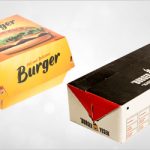
The foodservice industry is evolving rapidly, driven by trends such as online food delivery, sustainable practices, and increased consumer demand for convenience. As a result, the packaging sector is undergoing significant innovation, with paper meal boxes at the forefront of these changes. Restaurants, cloud kitchens, and catering services are increasingly relying on paper meal boxes not only for their practicality and sustainability but also for new technological and design innovations that enhance functionality and customer experience.
Partnering with a forward-thinking paper meal box supplier allows food businesses to access cutting-edge packaging solutions. These suppliers are investing in research and development to create boxes that are more durable, eco-friendly, and adaptable to the changing needs of the modern food industry.
Table of Contents
ToggleAdvanced Materials for Enhanced Durability
One of the primary areas of innovation is in materials used for paper meal boxes. Traditional paperboard and kraft paper are being enhanced with biodegradable coatings, high-strength composites, and moisture-resistant layers. These innovations increase the durability and functionality of boxes, making them suitable for a wider range of foods, including hot, oily, and liquid-based meals.
Future developments may include composite paper materials that offer the strength of plastic without the environmental drawbacks. Such materials will enable boxes to withstand longer delivery times and rough handling while remaining fully recyclable or compostable.
Smart and Interactive Packaging
Smart packaging is a growing trend in the food industry, and paper meal boxes are no exception. Future designs are expected to integrate QR codes, NFC tags, or augmented reality features that provide customers with nutritional information, promotional offers, or interactive experiences.
For example, a paper meal box could include a QR code that links to a recipe or sourcing details, enhancing transparency and engagement. Suppliers focusing on smart packaging are helping food businesses create a more interactive and memorable dining experience while differentiating their brand.
Customization and Branding Innovations
Custom branding has always been a significant factor in packaging, but future innovations will take personalization to the next level. Advanced digital printing technologies allow suppliers to produce high-quality, full-color graphics on-demand, reducing waste and turnaround times.
Additionally, modular box designs with customizable compartments and layouts enable restaurants and catering services to package diverse menu items efficiently. This level of customization ensures that businesses can maintain brand consistency and presentation quality across different meal types and events.
Sustainability and Eco-Friendly Enhancements
Sustainability continues to drive innovation in paper meal box supply. Future designs are focusing on fully biodegradable and compostable materials, water-based coatings, and inks that are both food-safe and environmentally friendly. Some suppliers are experimenting with plant-based films and coatings that enhance moisture resistance without relying on synthetic materials.
These eco-friendly innovations not only reduce the environmental footprint but also appeal to increasingly eco-conscious consumers. Food businesses that adopt sustainable packaging solutions demonstrate corporate responsibility while meeting consumer expectations.
Temperature Control and Insulation Technologies
Maintaining the ideal temperature of meals during delivery is a key concern for food businesses. Future paper meal box designs are likely to incorporate advanced insulation techniques using lightweight, sustainable materials. Innovations may include layered paperboard constructions or natural fiber insulation to keep hot foods warm and cold foods chilled for longer periods.
Such technologies will be particularly beneficial for cloud kitchens and delivery-focused restaurants, where long transport times can affect food quality and customer satisfaction.
Functional Design and User Convenience
User convenience remains a priority in packaging innovation. Future paper meal boxes will likely feature ergonomic designs, easy-to-open closures, integrated handles, and leak-resistant structures. These improvements simplify meal handling for both delivery personnel and customers while minimizing waste and reducing spillage.
Suppliers are also exploring foldable or collapsible designs that save storage space and reduce shipping costs. These functional enhancements improve operational efficiency and contribute to a positive user experience.
Integration with Digital Supply Chain Management
Innovations are also occurring in the supply chain aspect of paper meal box production. Some suppliers are integrating digital management systems that allow businesses to track inventory, monitor order status, and automate reordering processes. These systems improve efficiency, reduce stockouts, and ensure consistent supply, which is critical for high-volume operations.
Future Trends in Design Aesthetics
Beyond functionality, design aesthetics are expected to play a larger role in paper meal box innovations. Minimalist designs, premium finishes, and unique textures will enhance the unboxing experience, making packaging part of the overall dining experience. Consumers increasingly value presentation, and suppliers are responding by offering visually appealing options that elevate the perception of the brand.
Conclusion
The future of paper meal box supply and design is marked by innovations in materials, sustainability, functionality, smart technology, and aesthetic appeal. Collaborating with a forward-thinking paper meal box supplier allows food businesses to stay ahead of trends, improve operational efficiency, and enhance customer satisfaction. By embracing these innovations, restaurants, cloud kitchens, and catering services can provide durable, eco-friendly, and visually compelling packaging that meets the evolving demands of modern food delivery and service. These advancements promise a future where paper meal boxes are not just packaging but an integral part of the culinary experience.