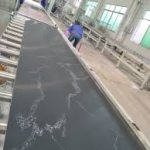
Solid surface materials are widely used in residential, commercial, and industrial interior projects because of their design flexibility, smooth appearance, and fabrication possibilities. They are commonly selected for kitchen countertops, bathroom vanities, reception desks, wall panels, and customized furniture. As demand for these applications grows, understanding material pricing becomes important for importers, distributors, contractors, and furniture manufacturers.
China is an important manufacturing and export market for solid surface products, offering buyers access to different material compositions, colors, finishes, and production capabilities. When sourcing Solid Surfaces China, buyers may notice significant price differences between manufacturers and product categories. These variations are influenced by raw materials, manufacturing technology, customization, order volume, quality standards, and international logistics. Understanding these factors helps businesses compare quotations and make better purchasing decisions.
1. Raw Material Costs
Raw materials are among the most significant factors affecting solid surface manufacturing costs. These products are generally produced using resin systems, mineral fillers, pigments, and other additives. The quality, availability, and price of these ingredients influence the final product cost.
Common material cost considerations include:
- Type and quality of resin
- Mineral filler composition
- Pigment quality and concentration
- Additives used during production
- Raw material availability
- Supplier pricing and procurement conditions
Different formulations can produce different physical and visual characteristics. Manufacturers using higher-grade ingredients or more specialized formulations may have higher production costs.
Changes in raw material prices can also influence quotations over time. Buyers should therefore compare product composition and technical specifications instead of assuming that materials with similar appearances have equivalent manufacturing costs.
2. Type of Resin Used in Production
Resin selection is an important factor in determining the price and characteristics of solid surface products. Acrylic-based, polyester-based, and modified formulations may differ in cost, fabrication behavior, appearance, and performance.
Acrylic solid surfaces are often selected for applications requiring particular fabrication flexibility and seamless design possibilities. Polyester-based products may provide different cost and performance characteristics depending on their formulation.
When comparing materials, buyers should examine:
- Resin composition
- Fabrication requirements
- Bonding characteristics
- Physical performance
- Color stability
- Intended application
- Manufacturer specifications
A product made with a particular resin system should not automatically be considered superior in every situation. The appropriate choice depends on project requirements and verified product performance.
3. Mineral Filler Quality and Composition
Mineral fillers contribute to the structure, appearance, and physical characteristics of solid surface materials. Their type, particle size, purity, and proportion can influence manufacturing expenses.
Aluminum trihydrate (ATH) is commonly used as a mineral filler in many solid surface formulations. The quality and sourcing cost of this ingredient can affect the overall production budget.
Manufacturers may use different filler grades or formulations depending on the product category. Differences in particle distribution and material consistency may also influence surface appearance and processing behavior.
Buyers should request technical information about material composition when comparing products. This helps determine whether a price difference reflects a meaningful difference in formulation or simply a different commercial pricing strategy.
4. Product Thickness and Sheet Dimensions
The size and thickness of solid surface sheets directly affect the amount of material required for production. Thicker sheets generally use more raw materials, which can increase manufacturing costs.
Common purchasing specifications include:
- Sheet thickness
- Sheet length
- Sheet width
- Dimensional tolerances
- Special cutting requirements
- Finished component dimensions
Larger sheets may also require different molds, handling arrangements, and packaging solutions.
Buyers should select dimensions according to the intended application. For example, a decorative wall panel may have different thickness requirements from a countertop designed for regular use. Choosing appropriate specifications can help control material consumption and reduce unnecessary expenses.
5. Color and Pattern Complexity
Color is another factor that can influence solid surface pricing. Standard colors may be produced regularly, allowing manufacturers to organize production efficiently. Customized shades or complex decorative patterns may require additional development and production adjustments.
Common product styles include:
- Solid white and neutral colors
- Beige and gray shades
- Marble-inspired patterns
- Granite-like designs
- Speckled surfaces
- Multicolor decorative patterns
- Special translucent finishes
Some patterns require more complex pigment distribution or specialized manufacturing techniques. Custom colors may also involve sample development and additional testing.
Buyers should ask whether a selected color belongs to the manufacturer’s standard collection or requires a customized production arrangement. This distinction can help explain differences in quoted prices and minimum order quantities.
6. Surface Finish and Processing Requirements
The final surface finish influences both manufacturing time and production costs. Different finishes may require different processing stages, equipment settings, and quality inspections.
Common finish options include matte, semi-gloss, and high-gloss surfaces. Certain decorative products may also require specialized finishing techniques.
Factors affecting finishing costs include:
- Polishing requirements
- Surface treatment procedures
- Decorative effects
- Additional sanding
- Inspection standards
- Protective film application
Customized finishing may increase production expenses, particularly when the order involves unusual specifications or limited quantities.
Buyers should evaluate whether the selected finish is necessary for the intended design and use. Choosing a suitable standard finish can sometimes provide a more economical alternative without compromising the project’s appearance.
7. Manufacturing Technology and Equipment
Manufacturing technology has a direct influence on production efficiency, product consistency, and operating expenses. Modern equipment can help manufacturers control material mixing, molding, curing, cutting, and finishing processes.
However, advanced machinery also requires investment, maintenance, trained operators, and appropriate production management.
Important manufacturing considerations include:
- Automated material measurement
- Mixing equipment
- Molding systems
- Curing technology
- Cutting machinery
- Surface finishing equipment
- Inspection instruments
Manufacturers with efficient production systems may reduce material waste and improve output consistency. These efficiencies can influence the prices offered to buyers.
Nevertheless, equipment investment does not automatically guarantee superior product quality. Buyers should evaluate actual manufacturing procedures and finished-product performance.
8. Production Volume and Minimum Order Quantity
Order quantity can significantly affect the unit price of solid surface materials. Larger orders may allow manufacturers to distribute setup expenses and production costs across more units.
Bulk purchasing may offer benefits such as:
- Lower unit production costs
- More efficient production scheduling
- Reduced setup expenses per unit
- Better coordination of raw material purchases
- Opportunities for volume-based discounts
Smaller orders may have higher unit prices because certain production and handling costs remain relatively fixed.
However, ordering large quantities is not always the most economical decision. Businesses must consider inventory expenses, storage capacity, cash flow, and actual market demand.
A suitable order quantity should balance manufacturing efficiency with the buyer’s purchasing requirements.
9. Customization and Special Product Development
Customized solid surface products may cost more than standard sheets because they can require additional design, development, tooling, and production work.
Customization may involve:
- Special colors and patterns
- Nonstandard dimensions
- Customized countertops
- Integrated sinks and washbasins
- Curved components
- Special edge profiles
- Decorative wall panels
- Finished furniture components
Some projects require molds or specialized equipment to create unique shapes. These additional requirements may increase both the initial development cost and the manufacturing lead time.
Buyers should provide technical drawings and detailed specifications when requesting customized products. This allows manufacturers to evaluate production feasibility and prepare more accurate quotations.
10. Labor and Manufacturing Expenses
Labor costs contribute to the total price of solid surface products. Manufacturing involves several activities, including raw material preparation, mixing, molding, curing, finishing, inspection, and packaging.
The labor expense depends on the complexity of the product, the level of automation, production volume, and the skills required.
Finished components may involve more labor than standard sheets because they require additional cutting, shaping, bonding, polishing, or assembly.
Other operating expenses may include:
- Factory utilities
- Equipment maintenance
- Production facility costs
- Worker training
- Waste management
- Quality inspection
- Packaging operations
Manufacturers must account for these expenses when determining product prices. Efficient production management can help control operating costs while maintaining consistent quality.
11. Quality Standards and Testing Requirements
Product quality can influence pricing because maintaining consistent manufacturing standards requires materials, equipment, inspection procedures, and testing resources.
Manufacturers may conduct different inspections to verify dimensions, surface appearance, and physical performance.
Relevant evaluation areas include:
- Flexural strength
- Impact resistance
- Water absorption
- Surface hardness
- Stain resistance
- Chemical resistance
- Dimensional stability
- Color consistency
Products intended for specialized commercial environments may require additional testing or documentation.
Buyers should compare quality-related specifications carefully. A lower quotation may reflect differences in testing, material composition, or quality control procedures. The best purchasing decision should consider whether the product meets the project’s actual technical requirements.
12. Factory Location and Domestic Transportation
The location of a manufacturing facility can affect the total cost of supplying solid surface products. Transportation from the factory to a port or distribution center may add to the final quotation.
Relevant expenses include:
- Local trucking
- Loading and handling
- Warehouse storage
- Port transportation
- Export preparation
- Regional logistics charges
The distance between a factory and the export port can influence transportation expenses, particularly for large or heavy shipments.
Buyers should ask suppliers whether domestic transportation is included in the quotation. Comparing factory prices without considering these additional charges may lead to an inaccurate cost assessment.
13. Packaging Requirements
Solid surface sheets and finished components require suitable protection during storage and transportation. Packaging costs vary according to product size, weight, shape, and shipping method.
Packaging options may include:
- Protective surface film
- Foam padding
- Reinforced cartons
- Wooden crates
- Pallets
- Corner protection
- Custom packaging for finished components
Large sheets may require additional support to reduce the risk of bending or edge damage. Customized sinks and countertops may need specially designed packaging.
Although stronger packaging can increase the initial shipping preparation cost, it may help prevent expensive damage during international transportation.
14. International Freight and Shipping Costs
For international buyers, freight expenses can represent a significant portion of the final purchasing cost. The amount depends on shipment volume, weight, destination, transportation method, and current carrier rates.
Sea freight is commonly considered for large solid surface shipments, while air freight may be suitable for smaller urgent orders.
Shipping costs are influenced by:
- Container availability
- Freight market conditions
- Destination port
- Shipment dimensions
- Cargo weight
- Seasonal demand
- Fuel-related charges
- Port handling fees
Buyers should obtain current freight quotations rather than relying on estimates from previous orders. They should also compare the complete shipping cost, including destination charges and local delivery.
15. Exchange Rates and International Payment Conditions
Currency fluctuations can affect the purchasing cost of imported solid surface materials. International transactions may involve different currencies, depending on the supplier’s commercial arrangements.
Exchange rate changes can influence the final amount paid by importers, especially when there is a long period between quotation approval and payment.
Other financial considerations include:
- Bank transfer charges
- Currency conversion fees
- Payment processing costs
- Deposit requirements
- Balance payment schedules
- Letter-of-credit expenses, where applicable
Buyers should confirm the quotation currency and payment conditions before placing an order. For larger transactions, they may also discuss quotation validity periods and suitable currency risk management arrangements with their financial institutions.
16. Market Demand and Seasonal Factors
Market demand can influence manufacturing schedules, raw material purchasing, and supplier pricing. During periods of high construction activity, manufacturers may experience increased order volumes and longer production schedules.
Seasonal demand may also affect shipping capacity and transportation expenses.
Buyers should consider:
- Construction market activity
- Manufacturing workload
- Raw material availability
- Export demand
- Shipping schedules
- Holiday-related production closures
Planning purchases in advance can help businesses avoid urgent production requests and last-minute shipping arrangements. However, actual price changes depend on individual manufacturers and market conditions rather than following a fixed seasonal pattern.
17. Supplier Reputation and Commercial Value
Supplier reputation and service capabilities can also influence the price offered to buyers. Manufacturers with established quality procedures, technical support, and export experience may have different pricing structures from smaller suppliers.
A reliable supplier may provide value through:
- Consistent product specifications
- Clear technical documentation
- Accurate production planning
- Responsive communication
- Quality inspection support
- Organized export procedures
- After-sales assistance
Buyers should not automatically assume that the most expensive supplier is the most reliable. Instead, they should evaluate the relationship between price, product quality, production capabilities, and service.
Requesting samples, checking company information, and reviewing previous project experience can help establish whether a supplier offers suitable value.
18. How to Compare Solid Surface Quotations Effectively
Comparing quotations is an important step in understanding price differences in the Chinese market. Buyers should ensure that each manufacturer receives the same technical and commercial requirements.
A practical comparison should include:
| Cost factor | What buyers should check |
|---|---|
| Material composition | Resin type, mineral fillers, and formulation |
| Dimensions | Sheet thickness, length, and width |
| Appearance | Color, pattern, and surface finish |
| Customization | Development, tooling, and special production charges |
| Order quantity | Minimum quantity and volume discounts |
| Quality | Testing, inspection, and product tolerances |
| Packaging | Protective materials and crate requirements |
| Transportation | Inland freight and international shipping |
| Import expenses | Duties, taxes, and customs clearance |
| Commercial terms | Payment conditions and warranty arrangements |
This approach helps buyers identify the actual reasons behind price differences and avoid selecting products based on incomplete information.
19. Practical Ways to Manage Solid Surface Purchasing Costs
Businesses can control procurement expenses by planning orders carefully and matching specifications with project requirements.
Useful cost management strategies include:
- Selecting standard colors when they meet the design requirements.
- Choosing appropriate sheet dimensions to reduce material waste.
- Comparing several manufacturers with identical specifications.
- Requesting samples before approving bulk production.
- Coordinating purchases to benefit from suitable volume pricing.
- Planning shipments in advance.
- Reviewing packaging and freight arrangements.
- Verifying quality documents before placing orders.
- Avoiding unnecessary customization.
- Considering maintenance and replacement costs over time.
These practices can help buyers improve purchasing efficiency without reducing essential quality requirements.
Conclusion
The price of solid surface materials in the Chinese market is influenced by several connected factors, including raw material composition, resin type, sheet dimensions, colors, finishes, manufacturing technology, order quantity, and customization requirements. Labor, packaging, domestic transportation, international freight, exchange rates, and supplier capabilities also contribute to the final purchasing cost.
For international buyers, understanding these factors makes it easier to evaluate quotations and identify products that offer suitable value. Rather than focusing exclusively on the lowest unit price, businesses should compare technical specifications, quality control procedures, logistics expenses, and long-term maintenance requirements.
A structured sourcing approach helps importers, contractors, architects, and distributors make informed purchasing decisions while managing budgets and maintaining the product standards required for successful solid surface applications.