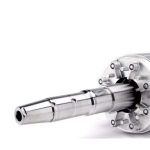
The discharge end of a fire extinguisher plays a direct role in how the extinguishing agent is applied. A nozzle, horn, or other outlet device is designed to work with a particular extinguisher and agent, shaping or directing the discharge according to the product’s operating principle. Selecting the wrong component can interfere with performance and may introduce risks for the operator. For this reason, nozzle choice should be based on the extinguisher manufacturer’s specifications rather than general appearance or convenience.
An Extinguisher Nozzle must be compatible with the extinguisher’s type, discharge assembly, and extinguishing agent. Different extinguishers may use a hose-mounted nozzle, a fixed outlet, a discharge horn, or another specialized arrangement. These components are not universally interchangeable. When a nozzle is damaged or missing, the correct replacement should be identified through the extinguisher’s model information and approved service documentation.
Understand the agent and extinguisher design
The extinguishing agent is the first factor to consider. Water-based extinguishers, foam units, dry chemical extinguishers, and carbon dioxide models operate in different ways. Their discharge devices are designed around the physical properties and application requirements of the agent.
For example, some outlets are intended to direct a liquid stream or spray, while other designs are intended to disperse a gas or powder. A nozzle designed for one agent may not be appropriate for another. The extinguisher label and manufacturer’s instructions should always be consulted before selecting or replacing an outlet component.
Discharge pattern and application
Nozzle geometry influences how the agent is delivered. Depending on the design, the outlet may produce a focused stream, a wider spray, or another controlled discharge. The intended pattern is established by the extinguisher manufacturer to support the unit’s rated performance and safe operation.
Changing the outlet can alter the discharge characteristics. A replacement with a different internal diameter or shape may affect flow, reach, and application. Users should not modify a nozzle to create a different spray or stream. If a different discharge pattern is required, the appropriate response is to select equipment specifically designed and approved for that purpose.
Material and durability
Nozzle materials vary according to the extinguisher type and operating conditions. Components may be made from metal, engineered polymer, or a combination of materials. They must tolerate the pressures, temperatures, and agent exposure expected during discharge.
The outer surface should remain suitable for routine handling and storage. A component that becomes brittle, corroded, cracked, or deformed may not operate reliably. The manufacturer’s material and compatibility information should guide any replacement decision, particularly where chemical agents are involved.
Connection and fit
A nozzle must attach securely to the hose or extinguisher outlet. Relevant details include thread type, coupling dimensions, sealing surfaces, and retention features. Even a small mismatch can result in leakage, an unstable connection, or inability to assemble the equipment correctly.
Replacement should be carried out by a qualified extinguisher service provider in accordance with the manufacturer’s procedure. Do not force a fitting, add an unapproved adapter, or use general-purpose sealant to compensate for a mismatch. The assembled unit should be checked as required before being returned to service.
Handling and operator safety
The nozzle should be practical to hold and direct in the way intended by the extinguisher design. Some discharge devices become very cold during operation or produce a high-velocity discharge. Others may require the operator to maintain a particular grip or distance. These characteristics should be explained in the extinguisher’s instructions and included in appropriate user training.
A nozzle is only one part of a safe response. People should know which fire classes the extinguisher is suitable for, when evacuation is necessary, and when attempting to fight a fire would create unacceptable danger. Equipment should be used only in accordance with training and the emergency plan.
Inspection and replacement
Routine extinguisher maintenance should include the nozzle or discharge outlet. Check for obstruction, cracks, corrosion, damaged threads, loose connections, and signs of impact. Ensure that protective caps or other supplied components are present where required. Dirt or foreign material should be removed using approved methods.
A damaged or blocked nozzle should not be cleared with tools that could change its dimensions. Refer the extinguisher to a competent service provider and replace components only with approved parts.
A precise component deserves precise selection
The correct extinguisher nozzle is the one designed to work with the specific unit and agent. Matching the connection, material, discharge characteristics, and manufacturer requirements helps preserve the extinguisher’s intended performance. Careful inspection and proper servicing then help keep the complete appliance ready for safe use.