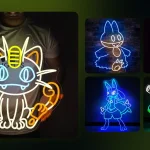
LED signs have become a popular choice for businesses looking to improve visibility, promote products, and create a professional brand image. From illuminated storefront displays and business logos to promotional signs and decorative lighting, LED technology offers versatile solutions for different commercial environments. Its combination of brightness, design flexibility, and energy efficiency makes it suitable for businesses of various sizes.
However, the quality of an LED sign depends on more than its design and appearance. The supplier’s experience, manufacturing standards, product knowledge, and customer support all influence the purchasing experience and final result. Choosing an experienced LED Sign Supplier can help businesses find suitable signage, avoid common purchasing mistakes, and achieve better long-term value.
1. Access to Better Product Knowledge
Experienced suppliers understand the technical features and practical applications of different LED signage products. They can explain the differences between sign types, lighting technologies, materials, and installation requirements.
This knowledge is particularly useful for businesses purchasing custom signage for the first time. Instead of selecting a product based only on appearance, customers can discuss their requirements and receive guidance about suitable options.
For example, a storefront may need bright illuminated lettering, while an office reception area may benefit from a more subtle branded display. An experienced supplier can help match the product to its intended purpose.
2. Higher Standards of Material Quality
The materials used in LED signs affect their appearance, structural strength, and operating performance. Experienced suppliers are generally better equipped to explain material specifications and identify suitable components for different applications.
Common materials and components include:
- LED modules and flexible LED strips
- Acrylic panels and backing boards
- Aluminum frames and metal structures
- Power supplies and electrical wiring
- Connectors and mounting accessories
A knowledgeable supplier should be able to describe the purpose of each component and explain how material choices affect the finished product.
Understanding these details helps customers make more informed comparisons between different signage options.
3. More Flexible Customization Options
Businesses often need signage that reflects their specific brand identity. Standard designs may not provide the right colors, dimensions, typography, or visual style.
Experienced suppliers are more likely to understand the requirements of custom projects and guide customers through available design options.
Customization may include:
- Company names and brand logos
- Personalized text and lettering
- Different fonts and color combinations
- Custom shapes and dimensions
- Various lighting effects
- Acrylic backing and mounting styles
This flexibility allows businesses to create signs that complement their existing branding and commercial environment.
4. Improved Design Accuracy
Custom LED signage requires careful attention to dimensions, proportions, colors, and artwork. Even small design errors can affect the final appearance of a sign.
An experienced supplier should have a clear process for reviewing customer artwork and confirming design specifications before production begins.
A digital design preview can help customers check spelling, layout, logo placement, and overall proportions. It also provides an opportunity to request changes before materials are cut or components are assembled.
This step can reduce misunderstandings and help ensure that the finished sign matches the approved concept.
5. More Consistent Manufacturing Quality
A structured manufacturing process helps maintain product quality from one order to another. Experienced suppliers may have established procedures for material selection, cutting, assembly, wiring, finishing, and final inspection.
Quality-control checks should verify that the completed sign matches the approved specifications and that its lighting and electrical components function properly.
For businesses ordering multiple signs, manufacturing consistency is especially important. It helps maintain a similar appearance across different units and commercial locations.
Before purchasing, ask the supplier how finished products are inspected and tested before dispatch.
6. Reliable Lighting Performance
Lighting quality is one of the most noticeable features of an LED sign. Uneven brightness, inconsistent colors, or visible dark areas can reduce the overall visual impact.
An experienced supplier can help customers select appropriate lighting specifications based on the installation location and intended viewing distance.
Important factors include:
- Brightness and illumination uniformity
- Color consistency
- Power consumption
- Operating voltage
- Dimming and control options
- Suitability for indoor or outdoor use
These details help ensure that the sign provides an attractive display without unnecessary energy consumption.
7. Better Energy-Efficiency Guidance
LED lighting is generally more energy-efficient than many traditional illuminated sign technologies. However, actual energy use depends on the sign’s dimensions, lighting components, brightness settings, and operating schedule.
Experienced suppliers can explain power requirements and help customers compare different product configurations.
Businesses that operate signage for long hours should pay particular attention to wattage, operating voltage, and available brightness controls.
Choosing a suitable configuration can help manage electricity expenses while maintaining the desired visual effect.
8. Greater Confidence in Electrical Safety
Illuminated signs contain electrical components that must be properly selected and assembled. A supplier with relevant experience should be able to explain the product’s electrical specifications and applicable safety requirements.
Before placing an order, ask about:
- Input voltage and power consumption
- Power supply specifications
- Wiring and electrical connections
- Relevant safety testing or certifications
- Protection against moisture and dust, where applicable
For outdoor installations, confirm that the complete sign is suitable for the expected environmental conditions. Where local regulations apply, make sure the product and installation meet the necessary requirements.
9. Suitable Solutions for Different Business Applications
Experienced suppliers often understand the different purposes LED signs serve across commercial industries. This makes it easier to identify a product that fits the customer’s environment and advertising objectives.
Examples include:
Retail stores: Illuminated storefront signs, promotional displays, and branded wall signage can help attract shoppers.
Restaurants and cafés: Custom LED lettering and decorative displays can reinforce the atmosphere and make business names more noticeable.
Hotels and hospitality venues: Reception logos, directional signs, and decorative lighting can improve the visual presentation of public areas.
Corporate offices: Illuminated company names and reception displays can create a professional impression.
Entertainment venues: Creative lighting and custom signs can support themed environments and promotional activities.
A supplier familiar with different applications can help customers select suitable designs, materials, and lighting arrangements.
10. More Efficient Project Communication
Custom signage projects involve several stages, from the initial inquiry to design approval, production, and delivery. Clear communication helps keep each stage organized.
An experienced supplier should be able to explain the ordering process, identify the information needed from customers, and provide updates when necessary.
Businesses should expect clear answers about dimensions, materials, customization, pricing, production schedules, and delivery arrangements.
Good communication reduces the risk of misunderstandings and makes it easier to resolve questions before they affect the final product.
11. Better Support for Bulk and Repeat Orders
Businesses with multiple locations may need several signs with matching designs and specifications. This can be challenging if the supplier cannot maintain consistency across different production batches.
An experienced manufacturer may be better prepared to manage repeat orders by retaining approved artwork, dimensions, colors, and technical specifications.
This is particularly useful for retail chains, restaurant franchises, hotels, and companies expanding into new locations.
Before placing a large order, discuss production capacity, minimum quantities, scheduling, and quality-control arrangements.
12. More Reliable Packaging and Delivery Arrangements
Proper packaging is important because LED signs may contain delicate acrylic panels, lighting components, and electrical connections.
An experienced supplier should understand the need to protect products against scratches, impact, and movement during transportation.
Customers should also confirm the estimated production period, shipping method, tracking availability, and procedures for reporting damaged products.
For international orders, it is useful to clarify shipping costs, customs documentation, and delivery responsibilities before making payment.
13. Clearer Warranty and After-Sales Support
A reliable purchasing experience should continue after the sign has been delivered. Warranty coverage and technical assistance can help businesses address issues that may arise during normal use.
Before ordering, review the warranty terms and ask which components are covered, how long the coverage lasts, and what conditions may be excluded.
It is also worth checking whether the supplier can provide replacement components, troubleshooting guidance, or installation advice.
Clear after-sales arrangements give customers a better understanding of the support available after purchase.
14. Greater Long-Term Value
An experienced supplier can help businesses evaluate signage based on its overall value rather than its initial price alone.
A low-cost sign may appear attractive at first, but differences in component quality, construction, warranty coverage, and maintenance requirements can influence its long-term cost.
When comparing suppliers, consider:
- Product construction and material specifications
- Expected lighting performance
- Energy consumption
- Installation requirements
- Maintenance needs
- Warranty coverage
- Availability of technical support
A properly selected sign can provide useful advertising and branding value over an extended period when installed and maintained correctly.
15. How to Choose the Right Experienced Supplier
Although experience is valuable, businesses should still evaluate suppliers carefully before placing an order.
Start by reviewing portfolios and previous projects. Look for products that demonstrate suitable design quality and relevant commercial experience.
Next, request detailed product specifications and quotations. Confirm the materials, lighting components, dimensions, production schedule, and warranty conditions.
Ask for a design preview before approving custom manufacturing, and clarify the installation requirements for the intended location.
Finally, consider customer feedback and the supplier’s communication throughout the inquiry process. A company that provides clear information and realistic expectations can make the entire purchasing experience more straightforward.
Conclusion
Buying LED signs from an experienced supplier offers several advantages, including better product guidance, flexible customization, consistent manufacturing, reliable lighting performance, and clearer after-sales support. Experience can also help businesses select suitable materials, understand technical requirements, and manage more complex signage projects.
Before making a purchase, compare suppliers based on product quality, design capabilities, electrical safety, pricing transparency, delivery arrangements, and warranty coverage. Choosing a knowledgeable and dependable partner can help businesses invest in attractive, functional, and durable LED signage that supports their branding and commercial advertising goals.