Thermal printing is widely used across retail, logistics, healthcare, manufacturing, and other industries that require fast and reliable printing. From customer receipts and shipping labels to product identification tags, this technology supports many everyday business processes. However, not all thermal printing systems work in the same way. Direct thermal and thermal transfer printing are two distinct technologies, each offering specific advantages and limitations.
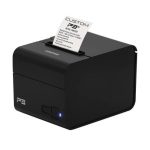
A Thermal Printer uses heat to create text, images, or barcodes on compatible printing materials. The two main methods differ in how heat is applied and how the printed image is formed. Understanding these differences helps businesses select suitable equipment based on print durability, media requirements, operating costs, and application needs.
What Is Direct Thermal Printing?
Direct thermal printing creates images by applying heat directly to specially coated thermal paper or labels. The printer contains a heated printhead with small elements that activate the coating as the media passes beneath it.
When the heated areas react with the coating, they change color and form the required text, graphics, or barcodes. Because the process does not require ink, toner, or a ribbon, direct thermal printing has a relatively simple operating structure.
This technology is commonly used for applications where printed information does not need to remain unchanged for many years.
How Direct Thermal Printing Works
The direct thermal printing process involves several basic steps:
- The printer receives information from a computer, POS system, or compatible device.
- The thermal paper or label moves through the printer.
- The printhead heats specific points according to the digital information.
- The heat-sensitive coating reacts and produces the required image.
- The printed material exits the printer, ready for use.
The quality of the output depends on factors such as printhead condition, media quality, temperature settings, and printing speed.
Common Applications of Direct Thermal Printing
Direct thermal technology is widely used in businesses that need convenient printing for short-term records and labels.
Typical applications include:
- Retail receipts and transaction records
- Restaurant order tickets
- Shipping and delivery labels
- Queue and appointment tickets
- Temporary product labels
- Event and parking tickets
Its straightforward operation makes it particularly useful for businesses that print frequently and prefer to avoid ribbon replacement.
What Is Thermal Transfer Printing?
Thermal transfer printing uses heat to transfer ink from a ribbon onto a compatible material. Instead of activating a heat-sensitive coating, the printer heats selected areas of the ribbon, causing the ink to transfer onto the label surface.
The printed image is formed on the media and can provide greater resistance to environmental conditions than many direct thermal prints. Actual durability depends on the ribbon formulation, label material, and exposure conditions.
Thermal transfer technology is commonly used when businesses need product labels, asset identification, or other printed information that must remain readable for extended periods.
How Thermal Transfer Printing Works
The process uses three main components: a thermal printhead, an ink ribbon, and the printing material.
The process generally follows these steps:
- The printer receives the digital content to be printed.
- A compatible ribbon and label material move through the printing mechanism.
- The printhead heats selected areas of the ribbon.
- The ribbon transfers ink onto the surface of the label.
- The printed label exits the printer for application or storage.
The ribbon and label material must be compatible to achieve the required print quality and durability.
Common Applications of Thermal Transfer Printing
Thermal transfer printing is suitable for applications where labels need to withstand handling, storage, or environmental exposure.
Common uses include:
- Product identification labels
- Warehouse inventory labels
- Asset tracking tags
- Industrial equipment labels
- Chemical and laboratory identification
- Long-term storage labels
- Shipping labels requiring greater durability
Businesses can select different ribbon and media combinations depending on the conditions in which the labels will be used.
Direct Thermal vs. Thermal Transfer: Key Differences
Although both technologies use heat, their printing methods and material requirements differ.
| Comparison factor | Direct thermal | Thermal transfer |
|---|---|---|
| Printing method | Heat activates a coated media surface | Heat transfers ink from a ribbon |
| Ribbon requirement | Not required | Required |
| Media | Special thermal paper or labels | Compatible paper, synthetic, or other label materials |
| Print durability | Generally more sensitive to environmental exposure | Can offer greater durability, depending on materials |
| Consumables | Thermal media | Labels and ribbons |
| Maintenance | Relatively simple | Requires ribbon handling and replacement |
| Typical uses | Receipts and temporary labels | Product, asset, and industrial labels |
The best option depends on the expected lifespan of the printed information and the conditions in which the material will be used.
1. Differences in Print Durability
Durability is one of the most important factors when comparing the two technologies.
Direct thermal prints can gradually fade when exposed to heat, sunlight, friction, or certain chemicals. This makes them suitable for receipts and labels that are generally used for shorter periods.
Thermal transfer printing can produce more durable images because the ink is transferred onto the media. When an appropriate ribbon and label material are selected, the output can offer better resistance to abrasion, moisture, chemicals, and other environmental factors.
However, thermal transfer labels are not automatically resistant to every condition. Businesses should test the complete label construction under their actual operating environment.
2. Differences in Printing Materials
Direct thermal printers require specially coated media that reacts to heat. This limits the range of materials that can be used with the technology.
Thermal transfer printers support a wider variety of compatible media, including coated paper and certain synthetic materials. This flexibility allows businesses to select labels according to their application requirements.
For example, a retailer may use direct thermal paper for receipts, while a manufacturer may choose a synthetic label with a suitable ribbon for equipment identification.
3. Differences in Operating Costs
Both technologies have different cost structures.
Direct thermal printing does not require ribbons, which can simplify consumable management. However, businesses must purchase compatible thermal paper or labels, and the media may have a shorter useful lifespan.
Thermal transfer printing requires both labels and ribbons. This adds another consumable expense, but the ability to print on durable materials may make it more suitable for applications where label replacement would be costly.
Businesses should compare the total cost of printing, including media, ribbons, maintenance, and expected replacement frequency.
4. Differences in Maintenance Requirements
Direct thermal printers generally have fewer consumable components because they do not use ribbons. Routine maintenance usually involves cleaning the printhead, removing paper dust, and checking the feeding mechanism.
Thermal transfer printers require similar cleaning procedures but also need proper ribbon installation and replacement. Incorrect ribbon loading or incompatible materials can affect print quality.
In both systems, regular maintenance helps reduce printing defects and supports consistent operation.
5. Differences in Print Quality
Both technologies can produce clear text, graphics, and barcodes when the printer is properly configured and compatible materials are used.
Print resolution, printhead condition, media quality, and printing speed all influence the final result.
Direct thermal printing is often sufficient for standard receipts and basic labels. Thermal transfer printing can be particularly useful for detailed product labels and applications where consistent readability over an extended period is important.
For barcode applications, businesses should test actual printed samples with their scanning equipment rather than relying on resolution specifications alone.
Advantages of Direct Thermal Printing
Direct thermal printing offers several benefits for businesses with short-term printing requirements.
No ribbon replacement: The technology eliminates the need to purchase, install, and replace ink ribbons.
Simple operation: Fewer consumable components make routine printing easier to manage.
Convenient receipt production: It is widely used in POS systems where businesses need fast transaction printing.
Compact equipment options: Many direct thermal printers are designed for checkout counters and small workspaces.
Reduced consumable handling: Employees can focus on replacing media rolls rather than managing ribbons.
These advantages make direct thermal printing a practical choice for many retail and service environments.
Advantages of Thermal Transfer Printing
Thermal transfer technology provides benefits for businesses that require longer-lasting labels and greater media flexibility.
Durable output: Suitable material and ribbon combinations can produce labels that resist common forms of wear and environmental exposure.
Broader media selection: Businesses can use compatible paper and synthetic label materials.
Longer-term identification: It is useful for asset tracking, product labeling, and industrial applications.
Consistent barcode printing: Properly configured systems can produce readable labels for inventory and logistics operations.
Application flexibility: Different ribbons and label materials allow businesses to adapt printing to specific requirements.
These features make thermal transfer printing suitable for demanding labeling tasks.
How to Choose Between Direct Thermal and Thermal Transfer Printing
Selecting the right technology requires an assessment of how the printed material will be used.
Consider the following questions:
- How long must the printed information remain readable? Short-term receipts may work well with direct thermal printing, while long-term identification may require thermal transfer.
- Will the printed material face heat or sunlight? Direct thermal media can be more sensitive to these conditions.
- Does the application require special label materials? Thermal transfer technology supports a broader range of compatible media.
- How important are consumable costs? Direct thermal eliminates ribbons, while thermal transfer requires both ribbons and labels.
- What environmental conditions will the label encounter? Consider moisture, abrasion, chemicals, and temperature exposure.
- What printing volume is expected? Evaluate the printer’s recommended workload, media capacity, and maintenance requirements.
Testing sample labels under realistic conditions can help confirm whether the selected technology meets the business’s requirements.
Industries That Use Both Thermal Printing Technologies
Different industries rely on direct thermal and thermal transfer printing for specific operational tasks.
Retail
Retailers commonly use direct thermal printers for receipts and transaction records. Thermal transfer printers may be used for durable product, shelf, and inventory labels.
Logistics and Warehousing
Direct thermal technology is frequently used for shipping labels and delivery documentation. Thermal transfer printing can support warehouse identification systems that require longer-lasting labels.
Healthcare
Healthcare facilities may use thermal printing for patient wristbands, specimen identification, and other labeling tasks. The appropriate technology depends on the required label durability, material compatibility, and applicable standards.
Manufacturing
Manufacturers often require labels that remain readable during storage, handling, and equipment operation. Thermal transfer printing can be useful for product identification, asset tracking, and industrial labeling.
Hospitality and Food Services
Restaurants and hospitality businesses commonly use direct thermal printing for receipts and kitchen order tickets. Other labeling applications may require different media and printing technologies depending on storage and handling conditions.
Conclusion
Direct thermal and thermal transfer printing technologies both provide practical solutions for businesses that need efficient printing. Direct thermal printing is particularly useful for receipts and short-term labels because it does not require ribbons and offers straightforward operation. Thermal transfer printing provides greater media flexibility and can produce more durable labels when compatible ribbons and materials are selected.
The right choice depends on printing purpose, expected label lifespan, environmental exposure, consumable costs, and operational requirements. By understanding how each technology works, businesses can select a suitable printing solution that supports reliable day-to-day operations.