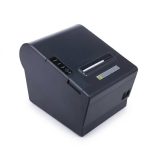
Businesses developing their own receipt printer product lines often need more than standard equipment available in the market. They may require customized branding, specific technical features, unique product designs, or packaging that reflects their business identity. Original Equipment Manufacturing (OEM) and Original Design Manufacturing (ODM) provide two common approaches for meeting these requirements.
These manufacturing models allow businesses to work with production partners while focusing on sales, distribution, and market development. An experienced Receipt Printer Manufacturer can support OEM and ODM projects through product engineering, component selection, customization, assembly, quality control, and packaging. Understanding how these services work helps businesses select an appropriate manufacturing arrangement.
Understanding OEM and ODM in Receipt Printer Manufacturing
OEM and ODM are related manufacturing models, but they involve different levels of product development and customization.
What Is OEM Manufacturing?
OEM manufacturing generally involves producing equipment according to specifications, designs, or branding requirements provided by a customer. The buyer may supply an existing product design or define the technical features and appearance required for the project.
The manufacturer then handles agreed production activities, such as component sourcing, assembly, testing, and packaging.
For receipt printers, OEM services may include:
- Adding a customer’s logo to the printer housing.
- Customizing product labels and packaging.
- Adjusting selected hardware specifications.
- Using approved components or configurations.
- Producing printers under a customer’s brand name.
OEM arrangements are suitable for companies that already understand their target market and have a clear idea of the product they want to sell.
What Is ODM Manufacturing?
ODM manufacturing involves a manufacturer developing a product design that customers can adopt, often with selected modifications and branding.
Instead of creating every design element independently, the buyer can use the manufacturer’s existing engineering capabilities and product development resources.
For receipt printers, ODM services may involve modifying an existing model, adjusting its housing, selecting different connectivity options, or adapting certain functions to meet market requirements.
This approach can reduce the amount of development work required from the buyer, depending on the level of customization involved.
Key Differences Between OEM and ODM Services
Although both models support private-label product development, their responsibilities differ.
| Comparison Factor | OEM | ODM |
|---|---|---|
| Product design | Usually supplied or specified by the buyer | Generally developed by the manufacturer |
| Customization | Based on customer requirements | Based on available designs and agreed modifications |
| Development responsibility | Greater involvement from the buyer | Greater involvement from the manufacturer |
| Branding | Customer branding can be applied | Customer branding can be applied |
| Engineering input | Often guided by buyer specifications | Often led by manufacturer capabilities |
| Development time | Depends on design readiness and production requirements | May be shorter when adapting an existing design |
| Suitable for | Businesses with established product specifications | Businesses seeking a ready-developed design with modifications |
The exact meaning of OEM and ODM can vary between suppliers. Buyers should clarify design ownership, customization scope, production responsibilities, and intellectual property terms before starting a project.
How Manufacturers Support OEM Receipt Printer Projects
OEM projects require coordination between the buyer and manufacturer to ensure that the finished product matches the agreed specifications.
1. Reviewing Customer Requirements
The process usually begins with a discussion about the buyer’s product expectations. The manufacturer may request information about printer dimensions, printing technology, paper compatibility, interfaces, operating environment, and branding requirements.
A detailed specification document helps both parties understand the required product and reduces the risk of misunderstandings during production.
2. Component Selection and Sourcing
After confirming the specifications, the manufacturer identifies suitable components. These may include thermal printheads, control boards, rollers, power supplies, cutters, connectors, and plastic housings.
Component selection must consider performance, availability, durability, compatibility, and cost. If the buyer has specific component preferences, the manufacturer can evaluate whether they are technically and commercially practical.
3. Product Assembly and Branding
Once the design and components are approved, the manufacturer proceeds with production. Branding requirements may include logos, product labels, model identification, and customized packaging.
The manufacturer must ensure that branding elements are applied consistently and do not interfere with ventilation, product operation, safety markings, or regulatory information.
4. Testing and Quality Verification
OEM receipt printers should undergo appropriate inspection before delivery. Testing may cover print quality, paper feeding, connectivity, power performance, and other agreed specifications.
The buyer may also establish acceptance criteria or request sample approval before mass production begins.
How ODM Manufacturers Support Product Development
ODM services can be useful for businesses that want to introduce receipt printers without managing the entire design process themselves.
Access to Existing Product Designs
Manufacturers may have established printer platforms that can serve as the starting point for a new project. Buyers can review available models and determine whether they meet their intended market requirements.
Using an existing design may reduce development effort compared with creating a completely new product.
Engineering and Design Modifications
An ODM manufacturer may adjust selected product features based on customer requirements. These changes can include housing appearance, interface configurations, paper-handling arrangements, or other supported specifications.
The feasibility of each modification depends on the existing product architecture, available tooling, engineering resources, and expected order volume.
Prototype Development
For projects involving significant modifications, a prototype can help evaluate the proposed design before large-scale production.
The buyer can assess the physical appearance, usability, printing performance, and compatibility of the sample. Feedback can then be used to make necessary adjustments.
Preparation for Mass Production
After design approval, the manufacturer prepares the production process. This may involve confirming component availability, assembly procedures, quality requirements, packaging specifications, and production schedules.
A structured approval process helps reduce the possibility of major changes after manufacturing has started.
Customization Options for OEM and ODM Receipt Printers
Customization is an important part of private-label manufacturing. However, the available options vary between manufacturers and product platforms.
Exterior Design and Branding
The outer housing is one of the most visible areas for customization. Businesses may request different colors, logo placement, labels, or selected design modifications.
Branding should remain consistent with the product’s technical requirements and manufacturing limitations.
Printing Specifications
Some projects require specific printing characteristics. These may include:
- Supported paper width.
- Printing resolution.
- Printing speed.
- Character and barcode support.
- Paper-loading design.
- Automatic cutter availability.
The manufacturer should confirm whether the requested specifications are supported by the selected printer platform.
Connectivity Options
Businesses may serve customers who use different POS systems and operating environments. Depending on the product, customization may involve selecting USB, Ethernet, serial, Bluetooth, or wireless connectivity.
Compatibility should be verified with the intended hardware and software before production approval.
Firmware and Software Requirements
Certain OEM and ODM projects may require adjustments to firmware settings, printer commands, drivers, or other software-related features.
The manufacturer should clarify which software functions can be customized and whether ongoing updates or technical support are available.
Packaging and Accessories
Private-label products often require customized packaging, user manuals, labels, cables, power adapters, and other accessories.
These details should be confirmed early because they can influence production costs, shipping arrangements, and product presentation.
Quality Control in OEM and ODM Manufacturing
Maintaining consistent quality is essential when producing receipt printers under another company’s brand. A manufacturing defect can affect the buyer’s reputation, customer satisfaction, and long-term business relationships.
Manufacturers may use several quality control stages to manage these risks.
Incoming material inspection: Components and raw materials are checked against approved specifications before entering production.
In-process inspection: Assembly procedures are monitored to identify incorrect component placement, loose connections, and mechanical inconsistencies.
Functional testing: Finished printers are evaluated for printing performance, paper feeding, connectivity, and other essential operations.
Appearance inspection: Housing surfaces, logos, labels, buttons, and packaging are reviewed for visible defects.
Batch verification: Samples from production batches may be inspected to check whether finished products meet established acceptance requirements.
Buyers should agree on quality criteria, inspection responsibilities, and defect-handling procedures before mass production begins.
Managing Production Costs and Minimum Order Quantities
OEM and ODM projects involve costs beyond the basic price of a standard receipt printer. Custom tooling, engineering modifications, branding, packaging, testing, and component selection may all influence the final quotation.
Minimum order quantities can also vary according to the project. Standard models with limited branding changes may have different requirements from products involving new housing designs or specialized components.
To manage costs effectively, businesses should:
- Prepare clear product specifications.
- Distinguish essential features from optional modifications.
- Request itemized quotations where possible.
- Confirm tooling and development charges.
- Understand minimum order quantities.
- Evaluate sample and testing costs.
- Discuss production lead times and payment conditions.
A complete cost comparison should include development, manufacturing, packaging, shipping, and potential after-sales expenses.
Intellectual Property and Product Ownership Considerations
Intellectual property is an important issue in OEM and ODM partnerships. Businesses should establish who owns the product design, engineering drawings, tooling, firmware modifications, trademarks, and other project-related assets.
In OEM arrangements, the buyer may provide proprietary designs or specifications. The manufacturer should agree to use these materials only for authorized purposes.
In ODM projects, the manufacturer may retain ownership of its original product design while granting the buyer certain branding or sales rights. These arrangements should be clearly documented.
A written agreement can address confidentiality, design ownership, permitted product modifications, geographic sales rights, and restrictions on sharing proprietary information.
How to Choose the Right OEM or ODM Manufacturing Partner
Selecting a suitable manufacturing partner requires more than comparing product prices. Businesses should evaluate the supplier’s technical capabilities, communication practices, production resources, and experience with customized projects.
Evaluate Manufacturing Experience
Review the manufacturer’s experience with receipt printers and related printing technologies. Ask about its existing product range, manufacturing facilities, and ability to handle the required order volume.
Review Engineering Capabilities
For customized projects, engineering resources are especially important. Buyers should determine whether the manufacturer can evaluate design changes, develop prototypes, and resolve technical issues.
Examine Quality Management Practices
Ask how incoming components, assembly operations, and finished products are inspected. Request relevant quality documentation and product test information where available.
Confirm Communication and Project Management
OEM and ODM projects involve several stages of coordination. A responsive supplier should provide clear updates about specifications, samples, production schedules, and potential changes.
Check After-Sales Support
Businesses should understand how warranty claims, technical questions, replacement parts, and product updates will be handled after delivery.
Common Challenges in OEM and ODM Receipt Printer Projects
Although private-label manufacturing offers flexibility, projects can face difficulties when requirements are unclear or production expectations are unrealistic.
One common challenge is incomplete product specifications. If important details such as connectivity, paper compatibility, or operating conditions are not defined early, the final product may require expensive revisions.
Another issue is underestimating development time. Custom tooling, prototype testing, component sourcing, and design approval can extend the project schedule.
Communication gaps may also create inconsistencies between approved samples and mass-produced units. Maintaining documented specifications, sample approvals, and quality requirements helps reduce this risk.
Finally, businesses should avoid selecting a supplier based solely on the lowest quotation. Engineering support, production reliability, and after-sales service can have a significant effect on the total value of a manufacturing partnership.
Conclusion
OEM and ODM manufacturing allow businesses to develop branded receipt printer products while using the production and engineering capabilities of specialized manufacturers. OEM arrangements generally follow customer-defined product specifications, while ODM services involve manufacturer-developed designs that can be adapted to meet selected business requirements.
By evaluating customization options, component quality, production capacity, intellectual property terms, and testing procedures, businesses can establish more effective manufacturing partnerships. Careful planning and clear communication throughout the development process help ensure that the finished receipt printers meet technical expectations and support long-term market objectives.