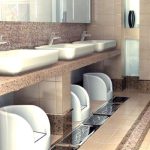
Creating a functional and efficient multi-user wudu area requires careful planning, particularly when incorporating a basin with foot wash. These facilities must accommodate several users at once while maintaining hygiene, comfort, and safety. Thoughtful design ensures smooth workflow, minimizes congestion, and encourages proper ablution practices for everyone.
Planning for Capacity and Flow
When designing a multi-user space, selecting the right basin with foot wash is crucial. Facilities should consider the number of users expected during peak hours and allocate sufficient units to prevent bottlenecks. Linear arrangements or multiple wall-mounted basins allow simultaneous use, while ensuring that foot wash areas are easily accessible without interfering with other users. Efficient flow planning keeps the space organized and reduces wait times.
Optimizing Layout for Safety and Comfort
The layout of a multi-user wudu area should prioritize both safety and comfort. Basin with foot wash units should have adequate spacing between each station to prevent collisions and allow users to move freely. Anti-slip flooring, well-placed drains, and unobstructed walkways minimize risks, while ergonomic heights and angled foot wash sections enhance comfort for all age groups. Clear pathways also facilitate cleaning and maintenance, ensuring a safe and hygienic environment.
Accessibility Considerations
Designing for inclusivity is essential in a multi-user setting. A basin with foot wash should accommodate users with varying mobility levels, including children, elderly individuals, and wheelchair users. Features like step platforms, lower-mounted units, and easily operable faucets ensure that everyone can perform ablution independently. Providing accessible design options encourages proper hygiene practices across all users.
Efficient Water Management
Managing water flow and drainage is critical in spaces with multiple basin with foot wash units. Integrated drainage channels, recessed foot areas, and controlled faucet flow prevent water from pooling on the floor and reduce the risk of slips. Properly designed units also facilitate quick drying, which is essential in high-traffic areas to maintain hygiene and comfort.
Material Selection for Durability
Durable, low-maintenance materials enhance the longevity of a multi-user wudu area. Solid surfaces and stainless steel are ideal for basin with foot wash units because they resist corrosion, stains, and wear from frequent use. Smooth, non-porous surfaces also simplify cleaning and reduce bacterial growth, ensuring that high-traffic facilities remain hygienic with minimal maintenance effort.
Incorporating Hygiene and Cleaning Features
Incorporating hygiene-focused features helps maintain cleanliness in a multi-user area. Splash guards, foot rinse trays, and easy-to-clean surfaces reduce water spillage and contamination. A basin with foot wash designed for high usage should have components that are accessible for routine cleaning, ensuring consistent hygiene standards even during peak times.
Visual and Organizational Guidance
Signage and visual cues can improve user experience and efficiency in a multi-user space. Clearly marking each basin with foot wash station, indicating proper foot washing steps, and directing traffic flow reduces confusion and helps maintain order. This ensures that the space is both user-friendly and encourages proper hygiene practices.
Conclusion
Designing a multi-user area with basin with foot wash units requires careful consideration of layout, accessibility, water management, material selection, and hygiene features. Proper planning ensures comfort, safety, and efficiency, allowing multiple users to perform ablution simultaneously without compromising cleanliness or convenience. Thoughtful design creates a durable, practical, and welcoming facility for all users.